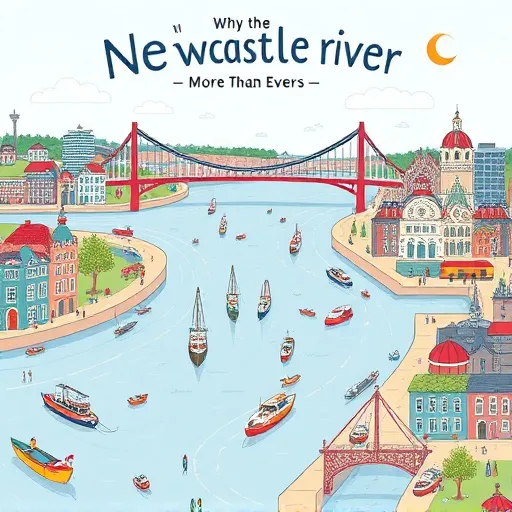
River Tyne cultural
Why the Newcastle River Matters More Than Ever in 2026
The
Newcastle river—the iconic
River Tyne that cuts through the heart of the city—has completely reinvented itself over the past decade. What used to be a gritty, industrial powerhouse for
shipbuilding and
coal export has morphed into a buzzing
cultural corridor packed with award-winning
attractions, sleek
housing developments, and lush
green spaces. But this isn't just a cosmetic facelift; it's a full-blown economic revival. According to recent reports from the local
development agency,
riverside regeneration projects have pumped over
£1.2 billion into the regional economy since 2023, creating thousands of
jobs and pulling in record-breaking numbers of
visitors who can't get enough of the waterfront.
Here's the thing though: the
Newcastle river isn't just a pretty backdrop for selfies and sunset strolls. It's a living, breathing
working waterway that serves as a vital
transport route and an unexpected
ecological haven. In 2026, the delicate balancing act between
commercial use and
environmental protection has never been more critical. The Tyne now houses one of Northern Europe's largest
offshore wind maintenance hubs, and get this—
Atlantic salmon have made a triumphant return to spawn in tributaries that were once declared biologically dead. That's a comeback story worth raising a glass to.
The Tyne's Deep Roots in Newcastle's Identity
Let's hit rewind for a moment, because the
Newcastle river has always been about
connection. Way back when, the Romans built a fort called Pons Aelius to guard the river crossing, and centuries later, the Tyne became the launchpad for the entire
Industrial Revolution. By the 1920s, this waterway was among the busiest on the planet, with
coal exports hitting a staggering peak of over
20 million tons annually. Those iconic
cranes that still dot the skyline—many now
heritage-listed—stand as silent storytellers of that booming era.
Fast forward to 2026, and the narrative has shifted dramatically. Those same cranes now share the view with glass-fronted
apartments and the sleek, tilting curves of the
Millennium Bridge. The
Newcastle river has transformed into a stage for
public art, massive
festivals, and even
open-water swimming events. It's a place where the past and the future collide in the most spectacular way possible, and honestly, it's a sight to behold.
The Quayside: The River's Living Room
If you really want to experience the
Newcastle river up close and personal, the
Quayside is where you need to plant yourself. This stretch of
waterfront has evolved into a seven-days-a-week destination that's always buzzing. On Sundays, the famous
Quayside Market draws over
20,000 visitors, offering everything from artisan cheese to handcrafted jewelry. But it's not just about the shopping haul. The 2026 summer lineup includes the much-anticipated return of the annual
River Festival, complete with a
drone light show synced to music, live performances on floating stages, and a
fireworks display that paints the water in brilliant colors.
The
food scene along the
Newcastle river has also gone absolutely next-level. You'll discover floating restaurants, pop-up seafood shacks, and riverside breweries that actually use Tyne water in their brewing process—yes, really. If you're a
craft beer enthusiast, you absolutely can't miss the new "River Mile" trail, which connects seven independent taprooms along the water's edge. Each spot puts its own unique spin on a classic
Newcastle Brown Ale, and the views? Completely unbeatable.
Walking, Cycling, and Staying Active on the Tyne
One of the best ways to truly appreciate the
Newcastle river is on foot or on two wheels. The
Hadrian's Way cycle route runs right along the Tyne, linking Newcastle all the way to the coast at
Tynemouth. In 2026, the entire stretch received a major upgrade with smart lighting and wayfinding signs, making it safer and more enjoyable for evening rides. If you prefer a slower pace, the
River Tyne Trail offers a scenic 12-mile loop that takes you past hidden beaches, historic
shipyards, and the brand-new
Riverside Park, which features a boardwalk suspended right over the water.
But the
Newcastle river isn't just for looking at—it's for getting on.
Kayaking and
paddleboarding have absolutely exploded in popularity, and you'll spot plenty of locals gliding past the
Tyne Bridge at sunrise. Several rental shops now offer guided tours that take you under the bridges and into quieter tributaries, where you can spot
herons and
kingfishers in their natural habitat. For the adrenaline junkies out there, a brand-new
wakeboarding cable park opened in early 2026, located just a few minutes upstream. It's quickly become the go-to spot for both beginners and seasoned pros looking to catch some air.
Wildlife and Ecology: The River's Hidden Side
You might not expect it, but the
Newcastle river is an absolute
biodiversity hotspot. According to the latest
environmental survey released earlier this year, the Tyne now supports over
180 species of fish, birds, and mammals. The return of the
Atlantic salmon is the headline-grabbing story, but there's so much more happening beneath the surface.
Oysters are being farmed in cages to help naturally filter the water, and
artificial reefs have been installed near the river's mouth to encourage
marine life to thrive.
Local
conservation groups have also launched a "citizen science" program in 2026, where volunteers can log their wildlife sightings through a handy mobile app. This crowdsourced data is helping researchers track
migration patterns and monitor
water quality in real time. If you're visiting, keep your eyes peeled for the
seals that occasionally swim upstream—they've become something of a local celebrity around the
Newcastle river.
The Bridges: Engineering Marvels Over the Tyne
No guide to the
Newcastle river would be complete without paying tribute to the bridges. Newcastle is often called the "City of Bridges," and there's a very good reason for that. There are six major crossings in the city center, each with its own distinct personality and story.
- **The Tyne Bridge**: That iconic green arch you've seen in a thousand photographs. It's currently undergoing a major restoration that's slated for completion by late 2027, but it remains open to both traffic and pedestrians throughout the work.
- **The Millennium Bridge**: Affectionately known as the "Blinking Eye," this tilting bridge is a true masterpiece of modern engineering. It still tilts every Friday at noon for maintenance—a sight that honestly never gets old.
- **The Swing Bridge**: A Victorian-era marvel that still operates using its original hydraulic system from the 1800s.
- **The High Level Bridge**: Designed by a famous Victorian engineer, it carries both road and rail traffic. The lower deck is currently being converted into a pedestrian and cycle corridor, set to open in spring 2027.
Each bridge offers a completely different perspective on the
Newcastle river, so take the time to cross all of them. Trust me, it's absolutely worth it.
Living Along the Newcastle River in 2026
If you're thinking about making a move to the area, you're definitely not alone.
Riverside living has become the hottest trend in Newcastle's
property market. New developments in
Ouseburn and
St. Peter's Basin are selling out months before they're even completed. The appeal is obvious: floor-to-ceiling windows, private balconies overlooking the water, and easy access to the city center. But here's a pro tip—prices are still about
15% lower than comparable riverside properties in London or Manchester, making it a seriously smart
investment opportunity.
The
Newcastle river has also become a focal point for
community events. The annual "Tyne Tide" festival, which started back in 2024, has grown into a month-long celebration of everything river-related. It includes
river clean-up days,
art installations on the water, and a series of talks by
marine biologists and historians. Local schools now run regular educational programs at the
River Discovery Centre, where kids can get hands-on learning about the water cycle,
river ecology, and the importance of
sustainable living.
Dining, Nightlife, and Entertainment Along the Water
The
dining scene along the
Newcastle river has never been better. Here are a few spots you should absolutely check out in 2026:
- **A riverside gastropub** that sources its ingredients from farms within a 20-mile radius—the lamb dish is an absolute standout.
- **A converted warehouse** that now serves contemporary British cuisine with a tasting menu that changes with the seasons.
- **A floating barge** that offers fish and chips, but elevated—think beer-battered cod with mushy pea purée and truffle tartar sauce.
After dark, the
Newcastle river takes on a completely different energy. The
Ouseburn area, which sits at the junction of the Tyne and its tributary, is packed with
live music venues, underground clubs, and cozy pubs. The 2026 "River Sessions" concert series features local bands performing on a barge that cruises slowly up and down the river—a truly unique way to see the city lights reflecting off the water.
Practical Tips for Making the Most of Your Visit
When it comes to timing your visit to the
Newcastle river, each season offers something special:
- **Spring (April–May)**: The cherry blossoms along the Quayside are absolutely stunning, and the weather is pleasantly mild.
- **Summer (June–August)**: Festival season is in full swing, but it does get crowded. Go early in the morning for a peaceful, quiet stroll.
- **Autumn (September–October)**: The golden light on the water is absolutely perfect for photography enthusiasts.
- **Winter (November–February)**: The Christmas markets and light displays are magical, but bundle up—it gets seriously cold.
Getting around is easy. The
Metro runs along both banks, and there's a new
water taxi service that shuttles passengers between the Quayside and Gateshead every 15 minutes. If you're driving, parking is limited, so consider using the
park-and-ride facilities on the outskirts of the city. Good news: the riverside paths are fully accessible, with ramps at every bridge crossing and tactile paving for visually impaired visitors. The water taxi is also wheelchair-friendly, and several restaurants have step-free access.
What's Next for the Newcastle River?
Looking ahead, the next few years promise even more exciting changes for the
Newcastle river. The city council has approved plans for a new "river garden" that will float on the water near the Baltic Centre. It's designed to be a green oasis featuring native plants, comfortable seating areas, and a small amphitheater for outdoor performances. Construction is set to begin in early 2027, with completion expected by summer 2028.
There's also serious talk of reintroducing a regular
ferry service to the coast, which would make it easier for residents to enjoy the beaches at
Tynemouth and
Whitley Bay without having to drive. The feasibility study is due out later this year, and early signs are looking very positive indeed.
The
Newcastle river is so much more than just a geographical feature on a map. It's a powerful symbol of
resilience,
reinvention, and
community. In 2026, it stands as living proof of what happens when a city embraces its natural assets and plans thoughtfully for a
sustainable future. Whether you're here for the
history, the
food, the
wildlife, or just the sheer beauty of the water, you'll find something that speaks directly to you.
So, next time you're in the North East, don't just glance at the
Newcastle river from the bridge. Walk down to the water's edge. Feel the breeze on your face. Watch the
gulls swoop over the waves. And take a moment to appreciate the fact that you're standing beside one of the most dynamic and beautiful rivers in the world. The
Newcastle river is waiting for you—and it's never looked better.